Link Building Tactics for B2B: 10 Proven Methods for 2026
Parth Jasrapuria
Founder
A B2B software team ships a solid guide, shares it once, and waits six months. The punchline hurts. Zero new links, and the only visits came from the writers. A useful page does not pitch itself.
B2B outreach is stricter than a consumer roundup. Editors want a source their buyers already trust. Cheap link piles fight the rules. Google's link spam guidance treats links made mainly to sway rankings as spam, including bought links, heavy exchanges, automated creation, weak directories, and optimized links in big guest-post campaigns. A real ad can stay if it uses rel="nofollow" or rel="sponsored", so it does not pass ranking credit.
Links still sit near stronger results, and that pattern is not a promise. An Ahrefs analysis of one million high-volume U.S. keywords found a rank correlation of about 0.255 for referring-domain count.
Match the tactic to the week. Two spare hours cover dead links and forgotten mentions. A producer can turn explainers, YouTube clips, and data cuts into pitches people will watch. Link building advice from Carlos Alba Media keeps the aim on earned citations. These link building tactics start from assets a video-led team already has.
1. The Skyscraper Technique (Build a Bigger, Better Page)

Find a page that already earns links, then publish something clearly more useful, and ask those linkers to switch. It is the new tower next to the old one. People already point at the topic. They just need a stronger floor.
Brian Dean's Backlinko grew on this pattern by replacing thin popular guides with longer, fresher ones. The joke is that “better” is often the same idea with current screenshots, a table, and a video. It still works when the upgrade is obvious. In a 2023 LinkDoctor survey of 150 SEO professionals, 76.67% said they used content creation and outreach for link building.
Say a SaaS team finds about 40 sites linking to a generic “what is CRM software” post. It publishes a deeper buyer guide with original screenshots and a 90-second explainer embedded. Each note names the exact section that site's readers would use. That is the same muscle behind B2B link building when the asset is a video guide, not a longer blob of text.
Practical rule: If a stranger cannot tell why the new page wins in one sentence, do not send the email yet.
Spot the old tower: Use Ahrefs, Semrush, or Moz and sort by referring domains, not raw link count.
Beat it on purpose: Add data, screenshots, or a short video. A prettier font is not an upgrade.
Name the section: Mention the heading their readers would open.
Log the replies: A “not now” can become next quarter's yes.
2. Broken Link Building (Fix Other People's Dead Ends)
A broken link is a menu that opens onto a brick wall. The owner wants it fixed. The reader wants a page that loads. That is a kinder pitch than “please rank us.”
The math keeps people honest. In one Ahrefs link building case study, 515 emails went out, 473 were delivered, and 42 bounced. Delivered mail drew 83 replies, a 17.55% response rate, but only 27 owners added a link, a 5.71% conversion from delivered email. The same rates on 1,000 delivered emails point to about 176 replies and 57 links. A friendly reply is not a backlink.

Say a podcast network finds a university blog still linking to a transcript that returns a 404. The note stays under 100 words, quotes the dead URL, and offers the updated transcript plus a 40-second clip. Eric Ward taught this style of help-first outreach for years. The replacement has to be more useful than the dead page, not a sales page in a helpful costume.
Hunt on resource roundups: Search “resources” plus the topic, then run Check My Links, Ahrefs, or Semrush.
Point at the corpse: Paste the exact broken URL. Do not make them guess.
Offer the fix free: No demo ask, no calendar link, no wink.
3. Digital PR with Original Data Studies
Journalists do not wake up craving another vendor blog. They wake up needing a number they can put in a headline. Original data is that number, with a short video so a busy editor can see the point before coffee number two.
Praise and habit are not the same thing. A 2025 survey of 518 SEO professionals found 48.6% called digital PR the most effective link building tactic, against 16% for guest posting and 12% for linkable assets. Only 17.7% used digital PR regularly, while guest posting stayed the crowd favorite at 64.9%. The gap is execution, not awareness.

Ahrefs and Gong get cited because their studies hand writers a clean stat. A video studio can do a smaller version. Picture ContentBuck surveying SaaS marketing leaders on YouTube habits, cutting a 60-second animated summary, and pitching one odd finding to a B2B newsletter a week before launch. Pair the report with a page of charts. More B2B video marketing statistics belong on that page only if the team can show the sample and the bias.
A nofollow mention in the right newsletter can still fill a pipeline. A random editorial link to the homepage often cannot.
Ask a question buyers already search: “How much video do B2B buyers watch before a demo?” is a start.
Lead the subject line with one stat: Save the methodology for the second paragraph.
Pitch early: Give writers one to two weeks before the page goes public.
4. Expert Quote Outreach (HARO-Style Source Requests)
Reporters still send notes that read like a class roll call. “Need a B2B video lead on YouTube ads, today.” Connectively, Qwoted, and Featured are full of them. The person who answers with a tight, true quote gets the line. The person who pastes a deck gets archived.
A founder of an animated explainer studio sees a fintech query and replies with two sentences. Keep the first cut under 90 seconds, and show the product doing one job, not twelve. The story links to a case study, not the pricing page. Startup founders land tech features this way all the time, mostly by being useful before they are promotional.
What a usable reply looks like
Speed beats polish. Set alerts for “explainer,” “YouTube,” and the niche, and answer in the first hour when the query is real. Stay under about 60 words. Include full name, title, company, and one portfolio URL.
Never tuck a product pitch into the quote. Reporters can smell a sales speech the way a dog smells a suitcase full of cheese. If the quote could run with the brand deleted and still help the reader, send it.
5. Unlinked Brand Mention Reclamation
Sometimes a writer tells a great story about the product and forgets the front door. The name is on the page. The link is not. That is one of the easiest asks in link building, because the author already chose the brand.
Say a SaaS company finds a marketing blog that lists the product among “tools we like” and does not link. A short thank-you goes out the same day, with the exact product URL and a plain anchor. The blog adds it that week. No new asset, no new video, no heroic campaign. Google Alerts, Ahrefs, and Brand24 catch a lot of these if someone reads them closely.
The email that does not annoy people
Thank them first. Then ask. Make the edit easy.
Watch the name: Alerts on the brand and on each product name, not just the parent company.
Check listicles: Search the brand plus “review” or “best tools.”
Hand them the href: Preferred URL and anchor, in the email, ready to paste.
A pushy “you owe us a dofollow” note gets ignored. A helpful “readers cannot find the tool” note usually does not.
6. Resource Page Link Building
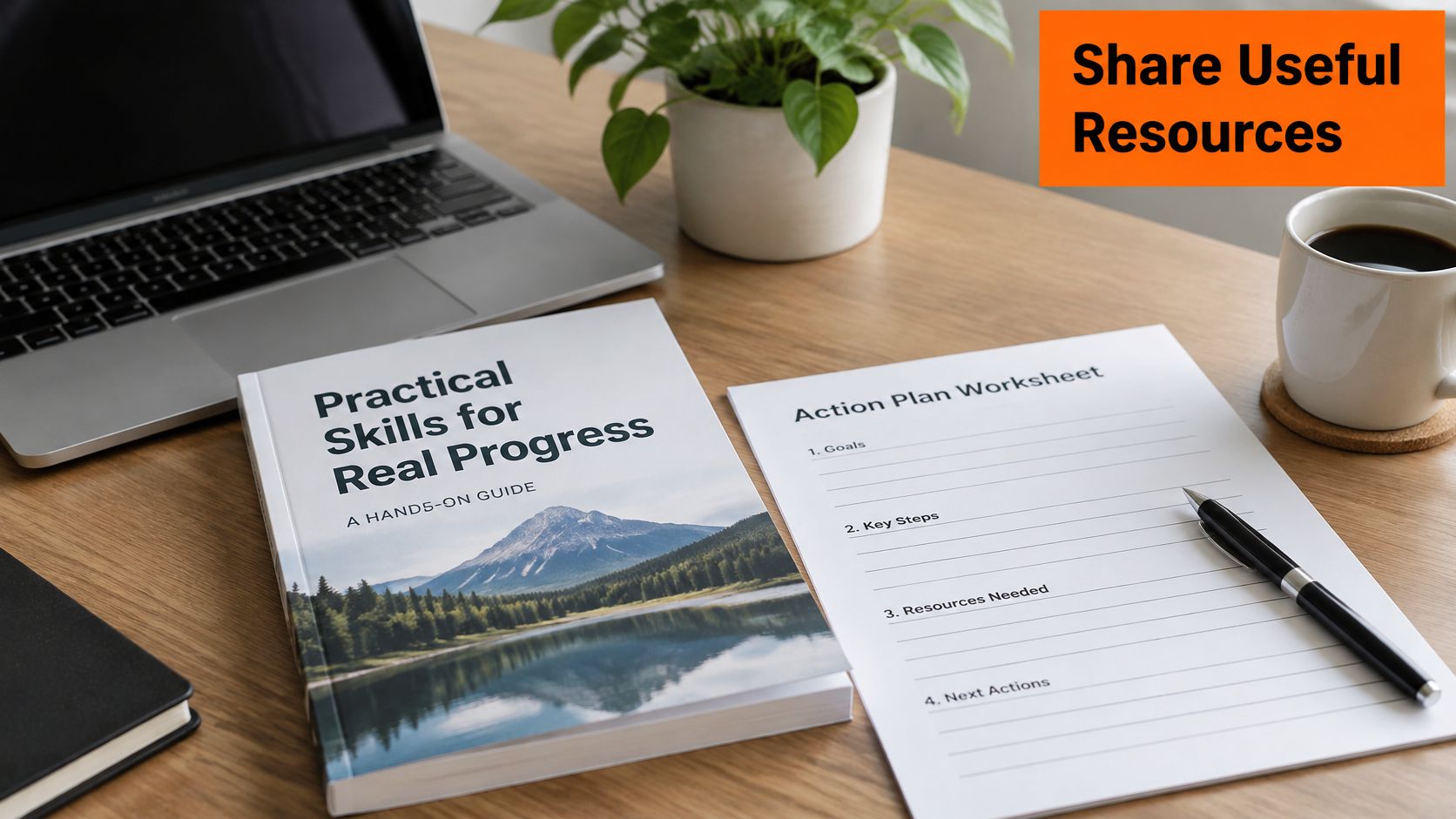
Resource pages are curated snack tables for a topic. The owner is already in the business of linking. The test is whether the page helps their visitors or just helps a sales quota.
A video studio publishes a free YouTube thumbnail template guide, with a 30-second walkthrough of one layout. It searches “YouTube resources” and “video marketing useful links,” skips anything last touched in 2019, and asks a marketing course to add the guide to its tools list. B2B software teams earn the same kind of link with calculators, checklists, and templates. A homepage does not belong on that list. A homepage is a lobby, not a resource.
Search like a librarian: “Topic + resources” and “topic + useful links.”
Check the dust: If the page has not been updated in a year, the maintainer may be gone.
Say who it helps: One sentence on the visitor, not on the studio.
Attach something free: A template or checklist makes “yes” easier than a vague article.
If the resource is a demo request in a worksheet costume, leave it off the pitch. Curators have seen that costume before.
7. Guest Posting on Relevant B2B Blogs
Guest posting is a conference talk in article form. Share something the host's readers can use, then leave one natural path back to a relevant page. It fails when the goal is a link and the article is stuffing.
Payment is where teams get sloppy. Google's paid-links guidance treats buying or selling links to manipulate rankings as link spam, while normal ads and sponsorships are fine when marked rel="nofollow" or rel="sponsored". A nofollowed placement in a niche journal can still bring pipeline. A fake “editorial” link bought only for rank is the risky one.
A podcast producer pitches three titles to a podcast-industry blog, all about turning episodes into clips. The published piece links once to a case study, next to a 45-second example. Search Engine Journal and MarketingProfs are the sort of homes that make sense. Bulk marketplaces that promise a link by Friday do not. A practical scan of backlink building sites helps separate real audiences from link shops.
Write the article before haggling over the anchor. One relevant link beats three awkward ones.
8. Video Embed Outreach (Make Your Video Easy to Share)
Hand a writer a video their tutorial is missing, and many will embed it. They get a clearer page. The studio gets a credit. It is free popcorn, with the brand on the bag.
Wistia has spent years teaching B2B marketers that embeddable video belongs in the article, not only on a social feed. A SaaS brand cuts a 75-second animation on how an API integration works, hosts it on YouTube or Wistia, and puts the full transcript on its own page. Then it offers the embed code to 20 tech blogs that already explain integrations. The credit line sits in the description, with one link.
Putting videos on a blog only pays off when the clip answers the heading above it. A logo sting does not.
This walkthrough shows the shape of an embed-friendly cut: a clear title, one idea, and a credit a writer can leave in place.
Pitch tutorials, not homepages: Sites that already teach the topic say yes more often.
Ship the transcript: Editors quote lines. Readers who cannot listen still get the point.
Keep the credit plain: Brand, one link, no tracking circus in the embed.
9. Podcast Guesting with Show Note Links
A podcast booking is a dinner invite where the host later writes down who brought dessert. Show notes on the episode page are where the link usually lives. The conversation is the hard part. The link is the place setting.
The founder of a SaaS company goes on a product podcast and spends four minutes on one onboarding-video mistake. The show notes link to the onboarding guide, not the bare homepage. Lenny's Podcast is a known room in product and growth circles because operators bring usable stories, not slogans. Why podcasts belong in a marketing strategy is the wider point. A guest spot is distribution, not a vanity appearance.
Ask only shows that already link guests in the notes. Prepare two stories a listener could try on Monday. After the episode, cut three to seven clips for LinkedIn and YouTube. The same recording feeds the channel, the blog, and the next pitch.
Skip shows that “might add a link if they remember.” If the last ten episodes have no outbound links, this one will not grow a conscience.
10. Partner, Integration, and Software Directory Listings
Directories and partner pages are the shop windows buyers already browse. G2, Capterra, Product Hunt, and integration marketplaces often give a profile URL. A partner's integrations page is usually the better link, because the audience showed up to solve a workflow, not to read a slogan.
A B2B video editing tool adds a short demo to its G2 profile, then asks a project-management app to list it as an integration partner. The partner page links to the integration doc. G2 and Capterra profiles also show up when buyers compare tools, so a thin profile is a wasted shelf.
Start with the big shelves: G2, Capterra, and Product Hunt before a directory nobody maintains.
Show the product moving: A demo clip, screenshots, and a real customer line beat a keyword pile.
Ask partners outright: If the integration is live, the listing should be too.
Keep the facts identical: Same name, same description shape, same URL, every time.
Stuffing a profile with keywords is how a holiday turkey gets stuffed. Readers notice, and so do editors who might have linked to the genuine page.
How the 10 Link Building Tactics Compare at a Glance
Item | Effort Level | Typical Cost | Best For | Link Quality
1. The Skyscraper Technique (Build a Bigger, Better Page) | High | Moderate to high | Earning links with standout evergreen content | Potentially strong, relevant links
2. Broken Link Building (Fix Other People's Dead Ends) | Moderate | Low to moderate | Replacing dead links with relevant existing content | Relevant links from maintained sites
3. Digital PR with Original Data Studies | High | High | Building authority through original research and media coverage | Potentially high-authority links
4. Expert Quote Outreach (HARO-Style Source Requests) | Moderate | Low to moderate | Establishing expertise and earning media mentions | Credible links, but not guaranteed
5. Unlinked Brand Mention Reclamation | Low | Low | Turning existing brand mentions into links | Relevant links from pages mentioning your brand
6. Resource Page Link Building | Moderate | Low to moderate | Promoting useful tools, templates, and guides | Relevant, potentially stable links
7. Guest Posting on Relevant B2B Blogs | High | Moderate | Sharing expertise with a targeted industry audience | Relevant editorial links
8. Video Embed Outreach (Make Your Video Easy to Share) | Moderate to high | Moderate to high | Promoting useful videos on relevant websites | Variable; embeds may lack clickable links
9. Podcast Guesting with Show Note Links | Moderate to high | Low to moderate | Reaching niche audiences and building expert authority | Relevant links when show notes include them
10. Partner, Integration, and Software Directory Listings | Low to moderate | Low to moderate | Reaching software buyers through trusted listings | Relevant links; some may be nofollow
Pick One Tactic, Ship It This Week, and Track What Sticks
Ten browser tabs of tactics earn zero links. Pick one. Broken-link fixes suit a quiet afternoon. A skyscraper page suits a month when a producer can cut one explainer and an editor can update the guide. A data study suits a quarter when customer benchmarks already sit in a sheet. Everything else waits.
Set three objects on the table and stop shopping for tools. One outreach note under 120 words: who the page helps, why your asset fits it, where the link should point. One tracking sheet with URL, contact, date, reply, and link won or lost. One video asset reused across the data page, the guest draft, and the embed pitch. The sheet will look boring. Boring is how the work survives a launch week.
What to track besides a link count
A link that never sends a relevant visitor is a trophy. Review the sheet monthly. Drop the tactic that only produces polite noes. Repeat the one that earns links from sites a buyer might actually read.
Referring domains, not raw totals: Ten links from one blog network are not ten votes.
Topical fit: A video publication beats a random student blog for an explainer studio.
Qualified referral sessions: Did anyone from that site reach a product or service page?
Assisted conversions: The visit might not buy on day one. The pipeline still counts.
Commercial URLs: Point links at the guide, the integration doc, or the service page, not only the homepage.
A 2025 compilation of link builder plans found 73% expected to use digital PR that year, with content quality and relevance among the leading success factors. Expecting to do it is not the same as shipping a dataset a reporter can cite. A small survey built from real customer benchmarks beats a national stunt the team cannot repeat.
Publish the page so Google can read it
Markup will not rescue a thin pitch, but sloppy markup can waste a good page. Google's Article structured data docs recommend JSON-LD that matches visible, current content, then a pass through the Rich Results Test and URL Inspection. QAPage rules are narrower. That type fits a page about one question and its answers, with a single QAPage item. A broad guide stays on Article or BlogPosting markup. Do not dress the whole article in an FAQ costume.
ContentBuck fits teams that want the video and the outreach under one roof. The studio plans and produces YouTube, explainers, and podcast cuts, and it runs managed outreach for editorial links aimed at priority pages, with a monthly report of each placement. That fits when the calendar is the bottleneck, not the tactic list.
Ship one page this week. Send ten notes. Count only the links that land. Then do it again with the tactic that answered.
ContentBuck plans, produces, and scales video-led acquisition for B2B teams, from YouTube and animated explainers to podcast cuts and SEO articles that are built to earn citations. Those same assets power the outreach in these tactics, with editing and repurposing handled in one place. See how the work fits a revenue team at ContentBuck.
Parth Jasrapuria
Founder at ContentBuck
Building video systems for B2B businesses. Obsessed with YouTube growth, creative strategy, and organic SEO.